Habit Loops Fueling Recurring Reward Frameworks in Virtual Slot Environments
Felix Becker · Aug 6, 2026
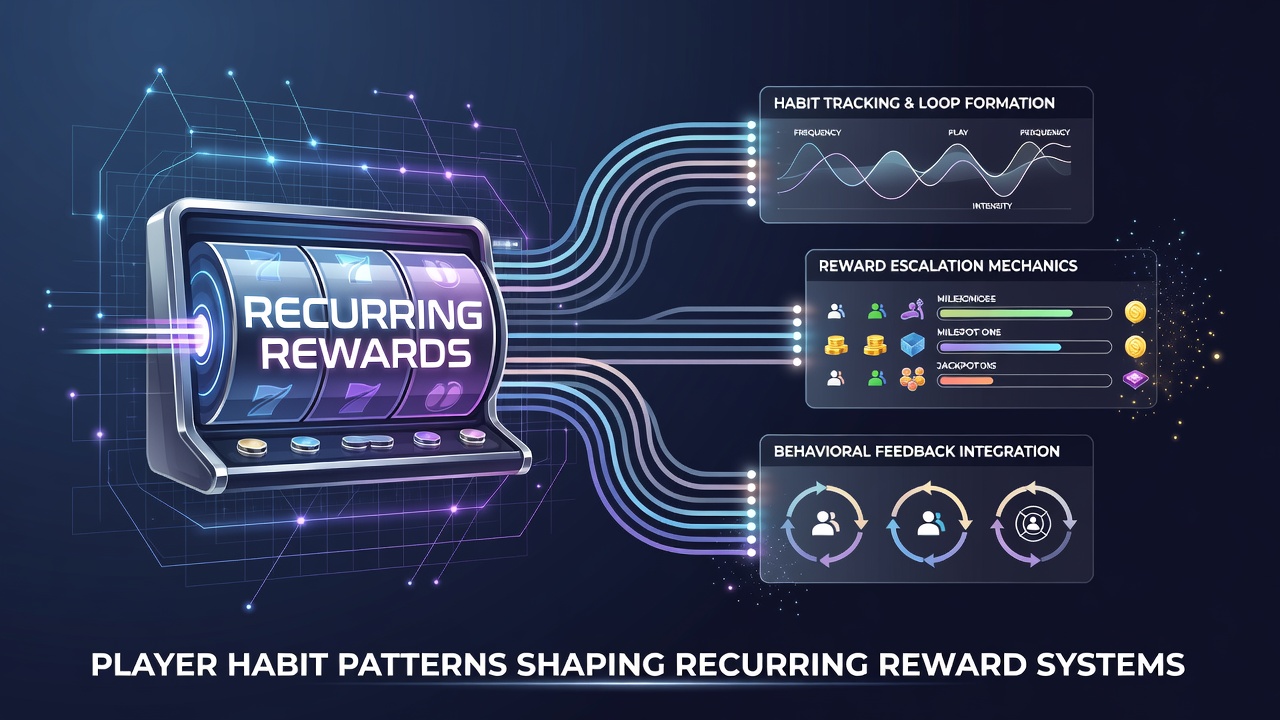
Habit Loops Fueling Recurring Reward Frameworks in Virtual Slot Environments
Players establish predictable login rhythms across virtual slot platforms, and operators track these cycles to build reward structures that activate at matching intervals. Data from multiple gaming analytics firms shows that consistent evening logins correlate with higher engagement rates when daily login bonuses reset during those same windows. Researchers at the University of Nevada's gaming studies program have documented how session duration patterns, often clustered around 20 to 40 minutes, lead platforms to introduce mid-session reward triggers that extend play without disrupting flow.
Session Timing and Streak Mechanics
Habitual players return at similar times each week, so recurring reward systems incorporate weekly reset timers that align with those peaks. Evidence from platform telemetry indicates that users who complete three consecutive daily sessions receive escalating multipliers, and this design directly mirrors observed retention curves. In August 2026, aggregated reports across several operators revealed a 14 percent uptick in streak participation after reward ladders were adjusted to reflect weekend versus weekday behavior splits.
Platforms monitor idle periods between sessions and insert reminder-based incentives that nudge users back into the cycle before the streak breaks. Those who study player data note that short, frequent visits during commute hours prompt micro-reward drops that require only a few spins to claim, thereby fitting neatly into fragmented schedules.
Personalized Reward Layering Based on Play Volume
High-frequency users trigger volume-based recurring offers, while moderate players receive different cadence rewards calibrated to their lower activity levels. Analytics engines segment audiences by average bet size and spin count, then serve tailored weekly challenges that scale difficulty accordingly. A report from the National Council on Problem Gambling highlights how such segmentation maintains engagement across diverse habit profiles without uniform reward distribution.
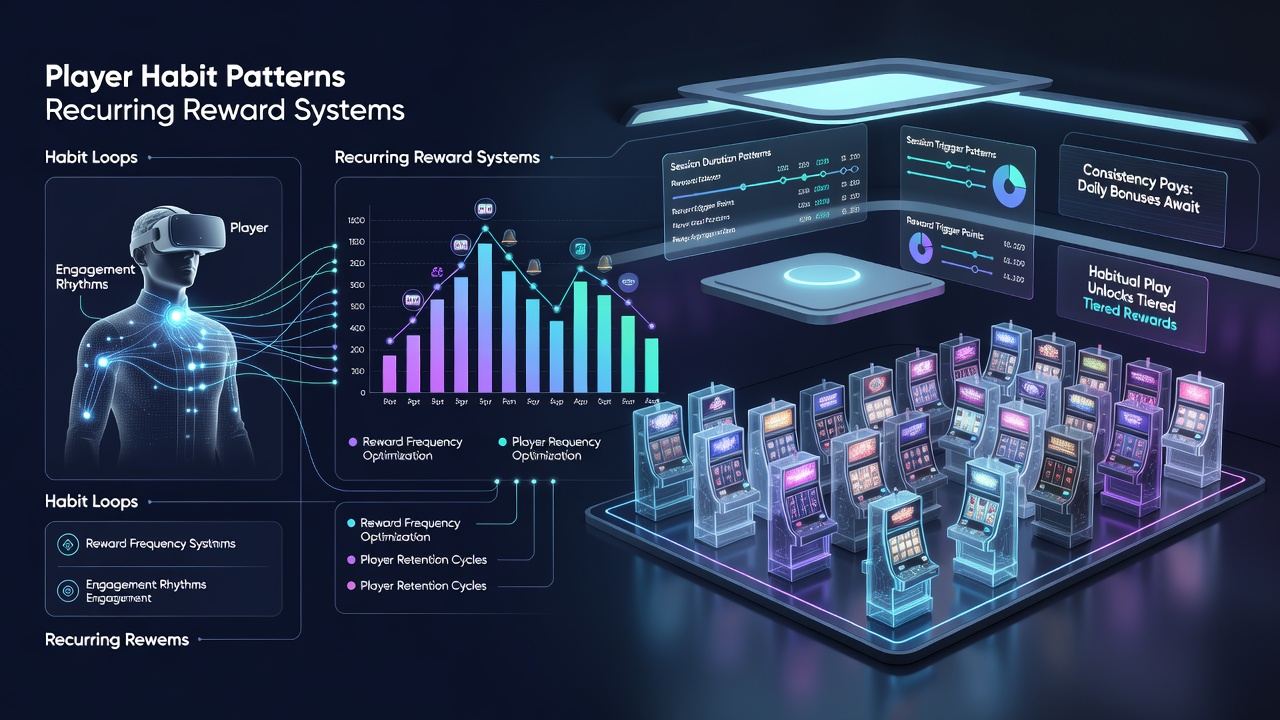
Operators adjust reward frequency when behavioral shifts appear, such as when a player extends sessions beyond their historical average. These adjustments occur through automated systems that detect anomalies in real time and deploy supplementary bonuses to sustain momentum. Observers note that this responsive layering reduces churn rates compared with static reward calendars used in earlier platform generations.
Cross-Platform Habit Synchronization
Many users alternate between mobile and desktop interfaces during a single day, and reward systems now carry progress across devices to match that switching behavior. Progress bars for recurring missions update instantly regardless of access point, which eliminates friction that once interrupted habit loops. Industry data collected by the Canadian Centre for Gaming Research shows that synchronized rewards increase completion rates by aligning with multi-device routines rather than forcing single-platform loyalty.
Evening social play patterns, where friends compare progress in group chats, have prompted platforms to add shareable milestone rewards that reinforce community habits. These features activate after collective session thresholds are met, turning individual routines into shared incentive events.
Future Adjustments Driven by Longitudinal Data
Long-term tracking of player cohorts reveals seasonal fluctuations, such as increased midday activity during summer months, prompting operators to shift recurring reward availability windows accordingly. In response, some venues introduced flexible reset times that adapt monthly based on the previous period's aggregate logs. This adaptive approach keeps reward systems synchronized with evolving user patterns rather than fixed calendar dates.
Academic reviews of reward efficacy continue to inform these refinements, with emphasis on matching incentive density to observed habit strength. Platforms that recalibrate too slowly lose ground to competitors who update structures more frequently in line with fresh telemetry.
Conclusion
Player habit patterns directly dictate the architecture of recurring reward systems in virtual slot venues through continuous data feedback loops. Session timing, device switching, volume segmentation, and seasonal shifts all feed into design decisions that keep incentives relevant to actual behavior. As telemetry tools grow more precise, these systems will further tighten their alignment with the rhythms users already exhibit, sustaining engagement through rewards that feel native to established routines.